What It’s Like Living In Stone Oak San Antonio
March 5, 2026
March 5, 2026
Thinking about a move to Stone Oak but not sure what day-to-day life really feels like? You want suburban convenience, solid commute options, and nearby amenities without losing access to San Antonio’s core. In this guide, you’ll get a clear picture of housing costs, commute times, schools, parks, healthcare, and what to expect from HOAs. Let’s dive in.
Stone Oak is a polished, master-planned area on San Antonio’s far north side, centered around the US‑281 and Loop 1604 corridor. You’ll find a mix of gated enclaves, established subdivisions, and pocket retail with coffee shops, medical offices, and restaurants.
In local guides, Stone Oak is often described as roughly 10 miles north of downtown. Under light traffic, the airport can be a 10–20 minute drive. Distance and time vary by your exact address and the time of day.
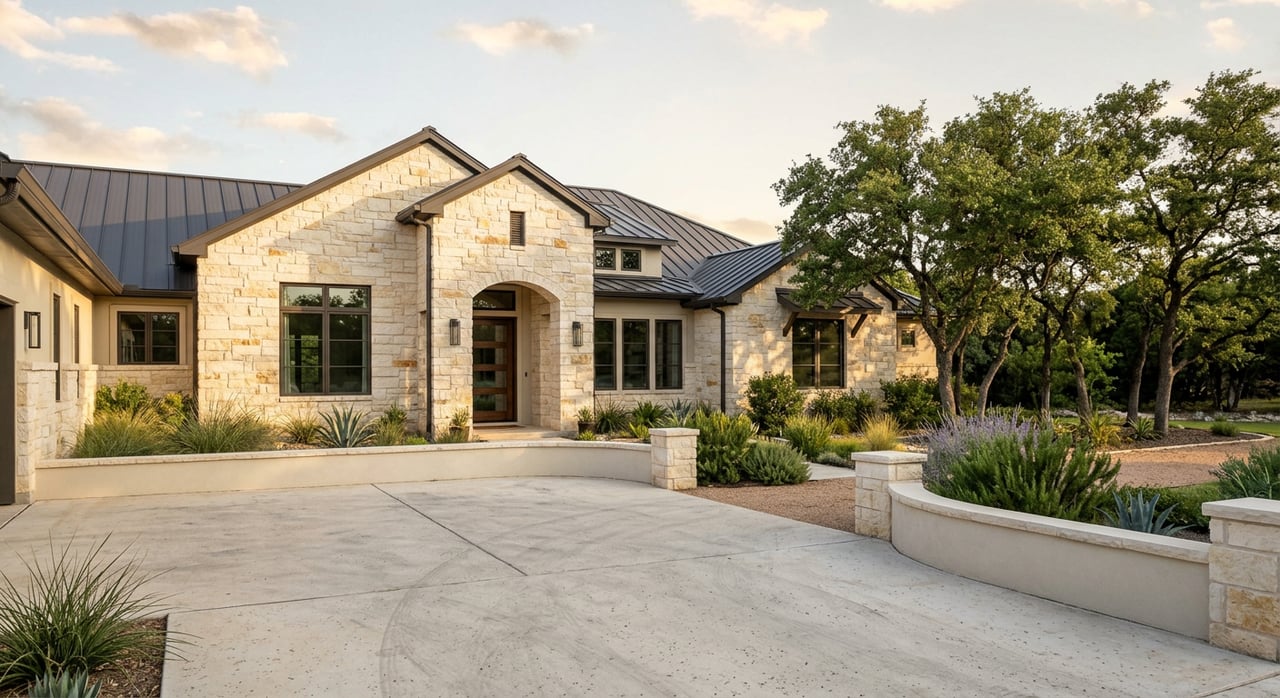
Most homes in Stone Oak are detached single-family, with many built from the late 1980s through the 2000s. You’ll see everything from modest, smaller-lot homes to large estates in gated sections, plus some newer builds and townhomes. Yards, pools, and neighborhood amenities are common.
On price, plan for a range. Typical single-family homes often list in the mid-$300Ks to high-$600Ks, with luxury estates above that. According to neighborhood-level indexes, Zillow reported a typical Stone Oak home value around $433,150 as of late January 2026. Some reports show higher medians in certain pockets. Prices vary by sub-neighborhood, lot size, age, and condition.
Two quick tips:
Stone Oak is car-forward, and most residents drive. The US‑281/Loop 1604 network puts you on direct routes to downtown, the airport, and northwest job centers. Local sources commonly cite 20–35 minute drives to central job hubs, depending on traffic patterns and your start and end points.
If you want an alternative to daily driving, VIA Metropolitan Transit operates the Stone Oak Park & Ride at US‑281 and Stone Oak Parkway. Local coverage of the Park & Ride notes express service to downtown and the South Texas Medical Center. VIA also launched an airport-express shuttle from the Stone Oak Park & Ride that typically runs non-stop to SAT on weekdays, often in about 15–20 minutes according to published service materials. Check VIA’s current schedules before you go.
Road projects on the north corridor have focused on managed and HOV lanes, along with US‑281 expansions. For context on these improvements, see reporting on Bexar County’s first HOV lane projects.
Much of Stone Oak feeds into North East Independent School District (NEISD), particularly the Reagan High School cluster. Families often highlight the cluster’s programs and opportunities when choosing the area. Always verify school assignments by address, since boundaries can change. You can start with the NEISD Reagan cluster page and then confirm attendance zones for a specific property.
You’ll have easy access to city parks and natural areas across the north side:
If private-club recreation is part of your lifestyle, you’ll also find golf and country-club options nearby, including the Club at Sonterra and Canyon Springs.
Stone Oak’s everyday errands are simple. H‑E‑B and Costco are a short drive from most addresses, and the 281/1604 corridor puts you close to weekend hubs like The Rim and La Cantera. New centers, including sites near TPC, continue to add retail and dining choices.
Dining spans quick eats to higher-end local spots. Spanish tapas at Toro Kitchen + Bar and classic Tex‑Mex at Aldaco’s are popular mentions in neighborhood guides. You’ll also find a variety of steakhouses and Brazilian steakhouses across the broader north side.
Healthcare access is a strength here. Notable facilities in the Stone Oak corridor include Methodist Hospital — Stone Oak at 1139 E Sonterra Blvd. and North Central Baptist Hospital at 520 Madison Oak Dr. Methodist Hospital — Stone Oak has announced significant investment in recent years; for context on the facility and its on-site uses, see Methodist Hospital — Stone Oak’s page. Local reporting has also covered a major expansion with an expected completion in the 2027 timeframe; review recent expansion news for current status.
Professionals commonly commute to downtown, the South Texas Medical Center, and north-side corporate offices. The 281/1604 access and VIA express options support those patterns.
Many Stone Oak subdivisions are gated and managed by active HOAs. Expect deed restrictions that guide curb appeal, maintenance standards, amenities access, and parking or gate rules. When you find a home you love, request the HOA documents early so you can review fees, architectural guidelines, and community rules.
Community commentary often notes well-maintained streets and common areas. If you want crime and incident data, use the City of San Antonio’s official dashboards for the most current information at the address or zip-code level.
Stone Oak tends to work well if you want suburban amenities, larger yards, and access to the NEISD Reagan cluster. It’s also a smart base if your week moves along the 281/1604 spine or if you prefer a quieter pace than downtown while staying connected to the city.
If you crave a short, walkable commute to nightlife or need the lowest-cost entry point in the metro, you may find better tradeoffs closer in or in other corridors. Many local comparisons show Stone Oak’s housing costs and rents above San Antonio’s citywide averages, so plan your budget with care.
Use this quick framework to make a confident decision:
When you’re ready for a calm, coached process and a shortlist that actually fits your life, reach out to the Valeria Sisson Team. We’ll help you compare micro-markets, run live commute tests, confirm school assignments, and move from search to closing with clarity.
Stay up to date on the latest real estate trends.
Whether you’re buying, selling, or investing, the Valeria Sisson Team is here to guide you with integrity, expertise, and a personalized approach—because your success deserves nothing less.