Buying a Home in Olmos Park Terrace With Confidence
July 16, 2026
July 16, 2026
If you love homes with charm, Olmos Park Terrace can feel like an easy yes. The streetscape, one-story homes, and early twentieth-century character give this San Antonio historic district a look that is hard to copy in newer neighborhoods. If you are thinking about buying here, it helps to understand not just the style of the homes, but also the rules, upkeep, and planning that come with them. Let’s dive in.
Olmos Park Terrace is an early twentieth-century subdivision in San Antonio, located about three miles north of downtown and just west of the separate City of Olmos Park. It was platted in 1931, and most homes were built in the 1930s and 1940s. It is also one of San Antonio’s locally designated historic districts.
That distinction matters because this article is about Olmos Park Terrace, not the nearby incorporated City of Olmos Park. If you are searching for a character home here, being precise about the location can help you avoid confusion about city boundaries, rules, and property expectations.
In Olmos Park Terrace, character is not just about old-house charm. The neighborhood’s look comes from both the architecture and the way homes sit on their lots. That overall consistency is part of what gives the area its appeal.
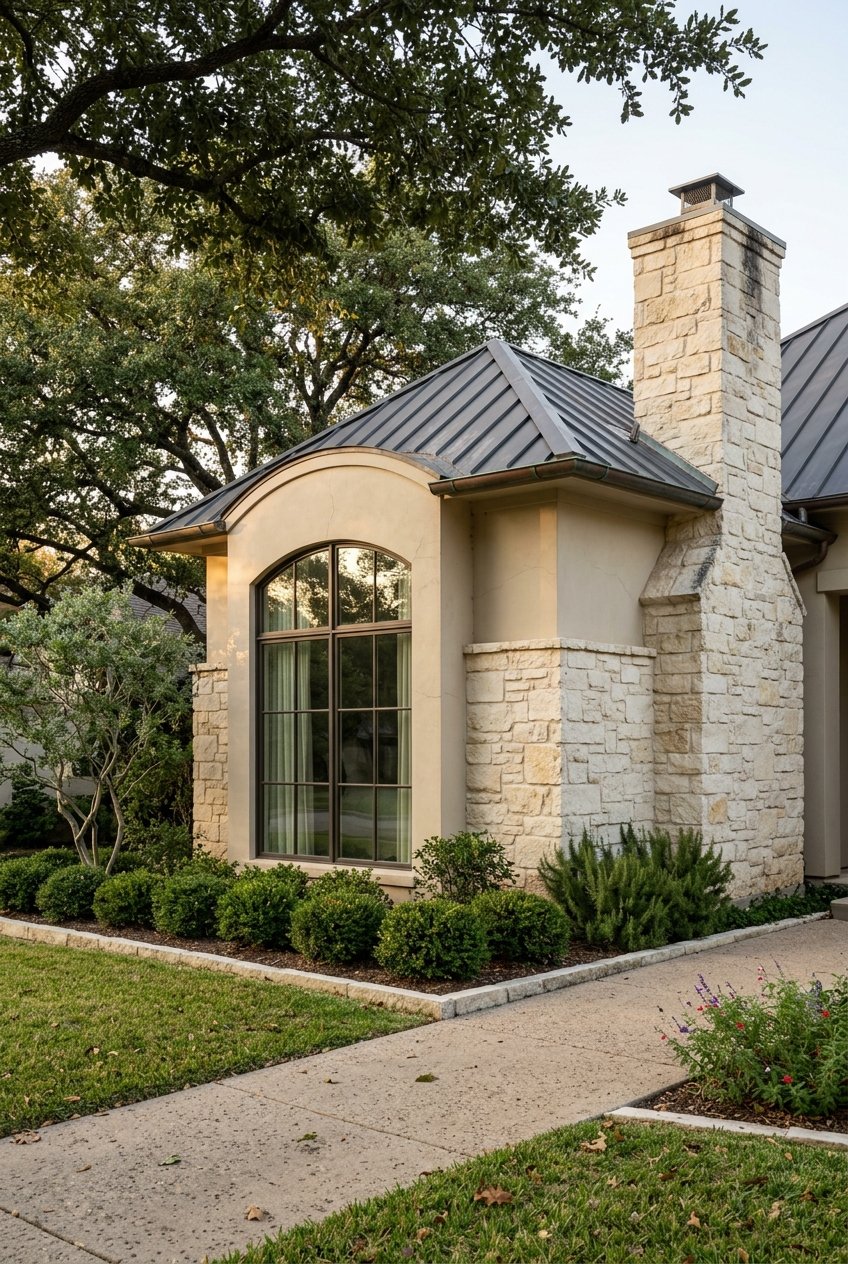
The City of San Antonio describes the district’s homes as primarily English stone cottages and Minimal Traditional houses. Historic resource guidance also notes early Ranch influences in some homes. Most houses are one story, which helps create the district’s low-scale, cohesive feel.
You are likely to see a few repeating features throughout the neighborhood, including:
These patterns matter because the neighborhood character is broader than one house at a time. The spacing between homes, the lot rhythm, and the overall street view all contribute to the district’s identity.
A character home can be rewarding to own, but it also calls for more careful due diligence. In Olmos Park Terrace, your decision should go beyond finishes and staging. You want to understand the home’s condition, future project limits, and possible review requirements before closing.
One of the first steps is confirming the property’s designation status. San Antonio recommends using its Explorer Map to check the parcel, see BCAD owner data, and confirm whether the property is designated.
This step can save you time and stress. If you already know a property sits within a historic district, you can plan ahead for any exterior work you may want to do later.
San Antonio requires a Certificate of Appropriateness, or COA, for exterior modifications and repairs on properties with a historic zoning overlay. This applies to residential properties and can include work in side yards, rear yards, and other exterior areas, even when they are not easily visible from the street.
That means projects like changing windows, reworking a porch, adding a fence, or building an addition may need historic review before work begins. If work starts without approval, the city may issue a stop-work order and charge a $500 post-work application fee.
Historic approval is not the same thing as a building permit. Depending on your project, you may need both. The city lists work such as foundation repairs, re-roofing, fences, and additions as permit-driven residential scopes.
Some projects can be approved administratively by city staff, while others go before the Historic and Design Review Commission. If you already know you want to renovate, it is smart to ask questions early rather than after you close.
Many buyers fall in love with a character home and assume they can update it like any other property. In Olmos Park Terrace, that approach can create delays and extra costs. A better strategy is to match your renovation plans to the district rules from the start.
The good news is that historic designation does not change a property’s allowed use, and it does not require a house to be returned to some exact original condition. In most cases, exterior work is the main trigger for review, while interior-only work that does not involve exterior windows or doors generally does not require approval from the Office of Historic Preservation.
If any of these are part of your long-term plan, check them before you buy:
San Antonio also publishes policy guides for common project types, including windows, fences, and sustainability or energy retrofit work. That can make the process more predictable for buyers who want to improve a home while respecting its historic setting.
Because most homes in Olmos Park Terrace date to the 1930s and 1940s, inspections deserve extra attention. A standard home inspection is a strong starting point, but older homes often need a more complete evaluation.
HUD’s older-home rehabilitation framework points buyers toward key areas such as the site, exterior, interior, structural system, electrical system, plumbing, and HVAC system. In practical terms, that means you want to look beyond paint colors and countertops.
When you are evaluating a home here, pay close attention to:
A character home can be beautifully maintained, partially updated, or in need of major work. Your inspection period is the time to get clear on which situation you are dealing with.
Older homes often come with material considerations that newer buyers may not expect. In this neighborhood, those details are especially important because many homes were built well before 1978.
According to the EPA, homes built before 1978 are more likely to contain lead-based paint. Federal rules also require lead disclosure before the sale or lease of most pre-1978 housing.
If you plan to renovate, especially if painted surfaces may be disturbed, lead-safe work practices matter. This is one more reason to slow down and get the right information before starting updates.
The district guide notes that asbestos shingle is a common exterior material in Olmos Park Terrace. That does not automatically mean there is a problem, but it does mean buyers should pay attention.
The EPA says that if asbestos-containing material is damaged or will be disturbed during renovation, repair or removal should be handled by a trained and accredited professional. If exterior updates are part of your plan, this issue deserves early review.
Windows are often one of the first things buyers want to replace, but that may not be the best move in a historic district. San Antonio’s window policy guide encourages preservation of original architectural features, including windows, and notes that historic wood windows can often be maintained or restored to working order.
If you are buying for charm, original windows may be part of that value. Before making replacement plans, it is worth understanding what can be repaired, what may need approval, and how those choices affect the home’s character.
For some buyers, the numbers matter just as much as the charm. If a property is designated historic and the planned rehabilitation meets the city’s threshold, San Antonio offers local tax incentives.
The city states that substantial rehabilitation may qualify for either a 10-year City property tax freeze or a 5 zero/5 fifty option. Eligible rehab can include roof, foundation, siding, electrical, plumbing, HVAC, structural, and interior work.
It is important to note that this incentive applies to the City property tax line only. It does not apply to county, school district, or other taxing agencies. If you are comparing renovation budgets, that detail matters.
If you want a home with architectural personality, a consistent historic streetscape, and a close-in San Antonio location, Olmos Park Terrace offers a lot to love. The neighborhood’s English stone cottages, Minimal Traditional homes, and one-story scale create a setting that feels distinct and established.
At the same time, buying here is usually best for someone who values planning. You will want to confirm designation status, understand COA requirements, review major systems carefully, and think through renovation goals before you commit.
That kind of preparation does not take the fun out of buying a character home. It helps you protect it, budget for it, and enjoy it with fewer surprises. If you are considering Olmos Park Terrace and want a clear, step-by-step buying strategy, the Valeria Sisson Team can help you evaluate the home, the district rules, and your next move with confidence.
Stay up to date on the latest real estate trends.
Whether you’re buying, selling, or investing, the Valeria Sisson Team is here to guide you with integrity, expertise, and a personalized approach—because your success deserves nothing less.